Burgundy 2023: A Vintage Report for Allocators
Cool nights, generous yields, and remarkable freshness — the 2023 Burgundies reward patience over speculation.
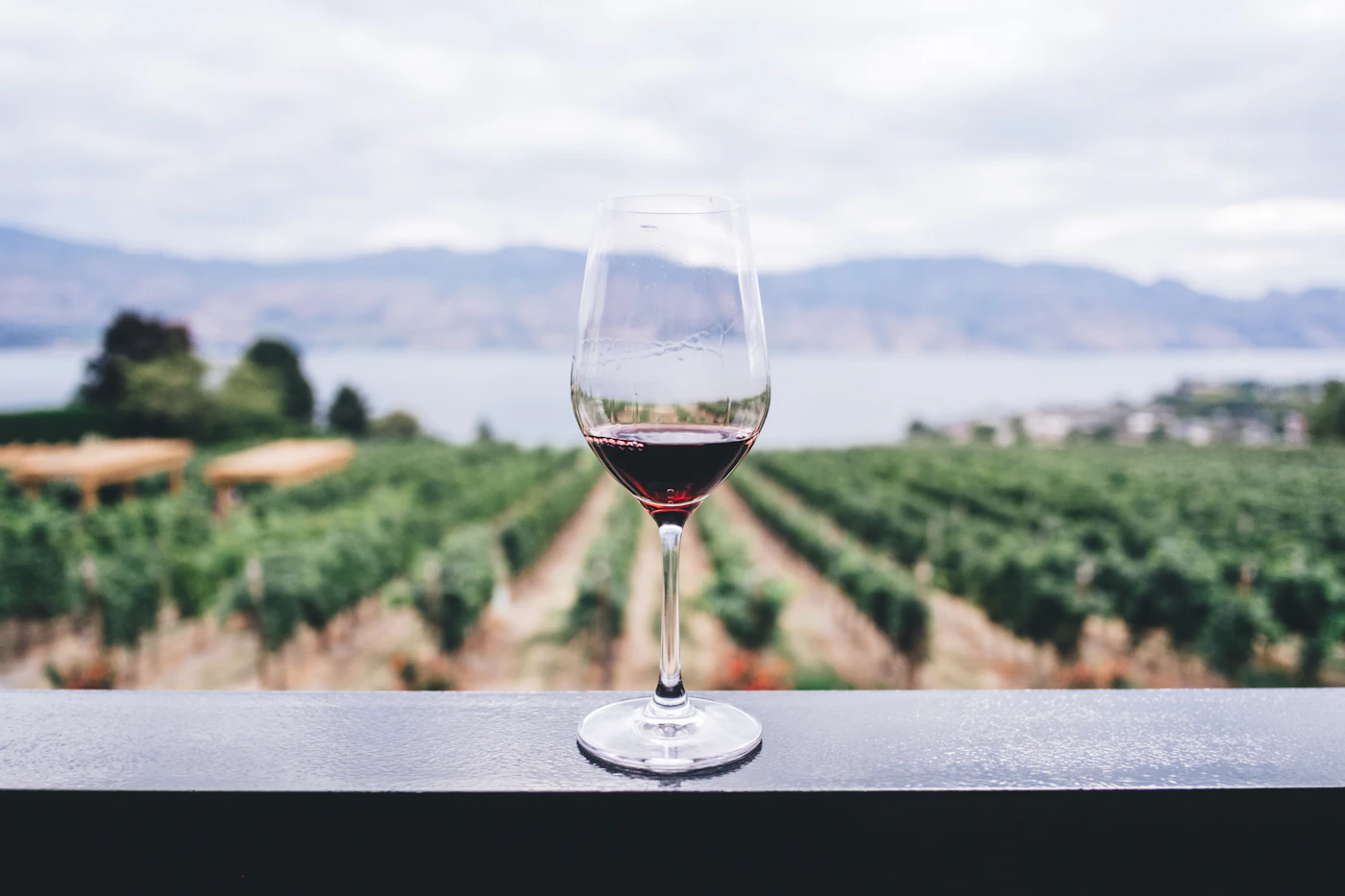
The 2023 Burgundy vintage arrived with a paradox: abundant yields after four consecutive short crops, and yet a wave of quality that most domaines are describing — carefully, in the measured tones the region prefers — as genuinely classical. Growing-season rainfall stayed within the ten-year norm, veraison was clean, and picking dates fell within a compressed 12-day window across most of the Côte d'Or.
For collectors, the practical question is not whether 2023 is good — it is — but whether it is the vintage to press on allocations, or a year to buy widely and drink young. Our regional read, based on more than 180 barrel and finished-wine tastings between January and April, points to a nuanced answer that varies materially by commune, exposure, and producer philosophy.
Growing Season & Harvest
Budbreak in early April was uneventful — a welcome reprieve after the frost episodes that shaped 2021 and 2024. Flowering completed in benign conditions during the second week of June, setting up the potential for normal crop levels for the first time in half a decade. Rainfall through July stayed within the historical band, and a warm but not scorching August pushed sugars steadily without shutting down vine metabolism.
Picking began on August 30 in the earliest Côte de Beaune whites and rolled through mid-September for later-ripening grand cru reds. Sorting tables reported unusually clean fruit: botrytis pressure was low, and berries showed thick skins and modest juice-to-solid ratios that translate directly into structured, ageworthy wines in cask.
Alcohols landed a touch below 2020 and 2022, generally between 12.8% and 13.6% on reds, which many producers view as ideal for classical expression. Acidities held better than in the recent run of warm vintages, giving winemakers latitude on extraction, élevage and bottling timing.

Côte de Nuits: Reds in Focus
The northern half of the Côte d'Or is the star of the vintage. Gevrey-Chambertin shows dark fruit tightly wound around firm, granular tannin — the kind of profile that suggests 15 to 25 years of positive evolution for grand cru bottlings, and 10 to 18 for the best premier cru sites. Chambolle-Musigny is more perfumed than muscular this year, with Les Amoureuses in particular offering a striking combination of aromatic lift and mid-palate density.
Vosne-Romanée sits between the two poles, delivering wines with the aristocratic mid-palate the appellation is known for and a finish that carries firmly without the heat that occasionally intrudes in warmer vintages. Nuits-Saint-Georges, historically undervalued relative to its neighbors, produced a genuinely serious set of premier crus in 2023 that deserve attention from collectors building depth at reasonable prices.
Côte de Nuits — bottles to prioritize
- Chambolle-Musigny 1er cru Les Amoureuses (multiple domaines)
- Gevrey-Chambertin 1er cru Clos Saint-Jacques
- Vosne-Romanée village from grand cru–adjacent producers
- Nuits-Saint-Georges 1er cru Les Saint-Georges
- Morey-Saint-Denis 1er cru Clos de la Bussière
Editorial view
2023 Côte de Nuits reds are the kind of vintage that rewards patience — buy premier cru broadly, hold grand cru selectively.
Côte de Beaune: Whites & Selective Reds
White Burgundy in 2023 is aromatic and lively, but selection matters more than usual. Producers who harvested early captured tension and citrus lift; those who waited for phenolic maturity risked broader, less precise wines. The best Puligny-Montrachet and Chassagne-Montrachet premier crus show a chalky mineral spine that suggests 8–15 years of positive evolution.
Meursault delivered a slightly more variable set, with the finest examples coming from Perrières, Genevrières and Charmes. Corton-Charlemagne — long a stylistic bellwether — produced wines of quiet power that will need a decade in bottle before revealing their full architecture.
Red Côte de Beaune is the pleasant surprise of the vintage. Volnay and Pommard both produced structured, ageworthy wines that outperform their recent averages, and Beaune premier crus offer genuine value for buyers willing to look beyond the marquee villages of the northern côte.

Pricing & Allocations
After several campaigns of double-digit release increases, most domaines held prices flat or trimmed them by 2 to 5% for the 2023 vintage. That restraint reflects both improved yields — which reduce the per-bottle pressure to recover fixed costs — and a considered response to a secondary market that spent much of 2024 digesting earlier pricing.
Allocations remain the binding constraint for most buyers. Producer relationships built over years continue to matter more than any single order. New collectors would do well to focus on premier cru from villages such as Marsannay, Saint-Aubin and Auxey-Duresses, where availability is meaningfully better and quality has climbed sharply over the past decade.
A Practical Cellar Plan
For a collector building a working 2023 Burgundy position, we suggest a three-bucket approach. First, six to twelve bottles of premier cru from two or three trusted domaines, intended for drinking between 2030 and 2038. Second, a smaller allocation of grand cru — three to six bottles per label — for the far cellar, 2035 to 2050. Third, a village-level foundation from grand cru–adjacent producers, intended for drinking within five to ten years while the more serious bottles rest.
The temptation with a classical vintage is to over-allocate to grand cru at the expense of the premier cru sites that will, in many cases, deliver more pleasure per bottle over a realistic drinking horizon. Discipline on that split is the single most important decision most collectors will make about the 2023 vintage.
Recommended 2023 Burgundy allocation split
- 50% premier cru reds (Côte de Nuits weighted)
- 20% village-level from top producers
- 15% grand cru reds for long cellaring
- 15% premier and grand cru whites (Côte de Beaune)
A Buying Strategy for the 2023 Vintage
Vintage reports are only useful if they end in decisions. For 2023, the defensible strategy has three parts: buy village and premier cru wines broadly for drinking, buy selectively at grand cru level where the producer managed yields tightly, and be patient on price where volume was generous. The abundance that characterised the harvest is not a defect — it is the reason a well-chosen 2023 cellar can be assembled at prices that will look reasonable in five years — but abundance also means the market has no urgency, and urgency is what creates poor buying discipline.
Allocation access remains the structural barrier in Burgundy. Domaines allocate through long-standing merchant relationships, and new buyers usually enter through mixed cases that pair sought-after cuvées with less famous appellations. That is a feature, not a tax: some of the strongest value in 2023 sits in Saint-Aubin, Marsannay, Fixin, Monthelie and the Côte Chalonnaise, where the growing season's balance produced fresher wines than warmer recent vintages. The broader scarcity mechanics that drive Côte d'Or pricing are examined in our fine wine market report for 2026.
For collectors weighing Burgundy against other classic regions, the comparison worth running is total cost per year of drinking pleasure rather than headline index performance. Nebbiolo offers a similar transparency of site at a fraction of the price — our Barolo investment guide sets out the case — while buyers focused on capital preservation should read the cost analysis in how to invest in fine wine before committing to en primeur exposure.
Cross-check any producer claim against primary sources. Appellation rules, yield ceilings and classification boundaries are published by France's INAO, and vintage conditions, harvest dates and volumes for the Côte d'Or are documented by the Bourgogne Wine Board (BIVB).
| Tier | Buying stance | Rationale | Drinking window |
|---|---|---|---|
| Regional / Bourgogne | Buy broadly | Freshness and value; low entry price | 2026–2031 |
| Village | Buy broadly | Best quality-to-price band of the vintage | 2027–2035 |
| Premier cru | Buy selectively | Wide producer variation in yield management | 2028–2040 |
| Grand cru | Buy on conviction only | Prices set by scarcity, not by vintage | 2030–2050+ |
Frequently Asked Questions
Is the 2023 Burgundy vintage worth buying for long-term cellaring?
Yes — particularly for Côte de Nuits reds and top Côte de Beaune whites. The combination of near-average yields, classical alcohol levels and firm acidity produces wines with a 15–25 year drinking window at the grand cru level and 10–18 years at the premier cru tier.
What are the best 2023 Burgundy premier cru bottlings to cellar?
Chambolle-Musigny Les Amoureuses, Gevrey-Chambertin Clos Saint-Jacques, Vosne-Romanée Les Suchots, Nuits-Saint-Georges Les Saint-Georges, and Volnay Caillerets all deliver classical, ageworthy profiles and remain more attainable than their grand cru neighbors.
How does Côte de Nuits 2023 compare to Côte de Beaune 2023 in quality?
Côte de Nuits reds are the highlight of the vintage, offering structure and length that suggest long cellar potential. Côte de Beaune whites are excellent where producers harvested early to preserve tension, while Côte de Beaune reds outperform their recent averages and represent strong value.
How long should I age 2023 grand cru Burgundy before opening?
Plan on a minimum of 10 to 12 years before opening grand cru reds, with a peak drinking window between 2035 and 2050 for the most structured wines. Whites at the grand cru level typically enter their prime between 8 and 15 years from vintage.
What is the best 2023 Burgundy en primeur allocation strategy for new collectors?
Focus on premier cru bottlings from grand cru–adjacent villages and build depth (six to twelve bottles) at a handful of trusted domaines rather than spreading thinly across many labels. Village-level wines from serious producers offer strong near-term drinking value while your premier and grand cru selections rest.
Continue reading on WineGrey News
Sources & further reading
The Weekly Cellar Note
Market data, auction results and vintage reporting, delivered every Thursday.
Premium Collector's Guide
Our in-depth primer on building, storing and eventually selling a fine wine portfolio.
Read the guide